
David Protein · Fitness Nutrition
David Protein Bar Review: 28g Protein, 150 Calories - What a Competition Prep Coach Actually Found
12-week competition prep cycle, 7 flavors tested as daily post-workout snack. Compared digestive response against Barebells across the same testing period.
Competitive natural bodybuilder (WNBF), NASM-CPT.
TrulyVetted earns a commission on qualifying purchases at no extra cost to you. Editorial policy
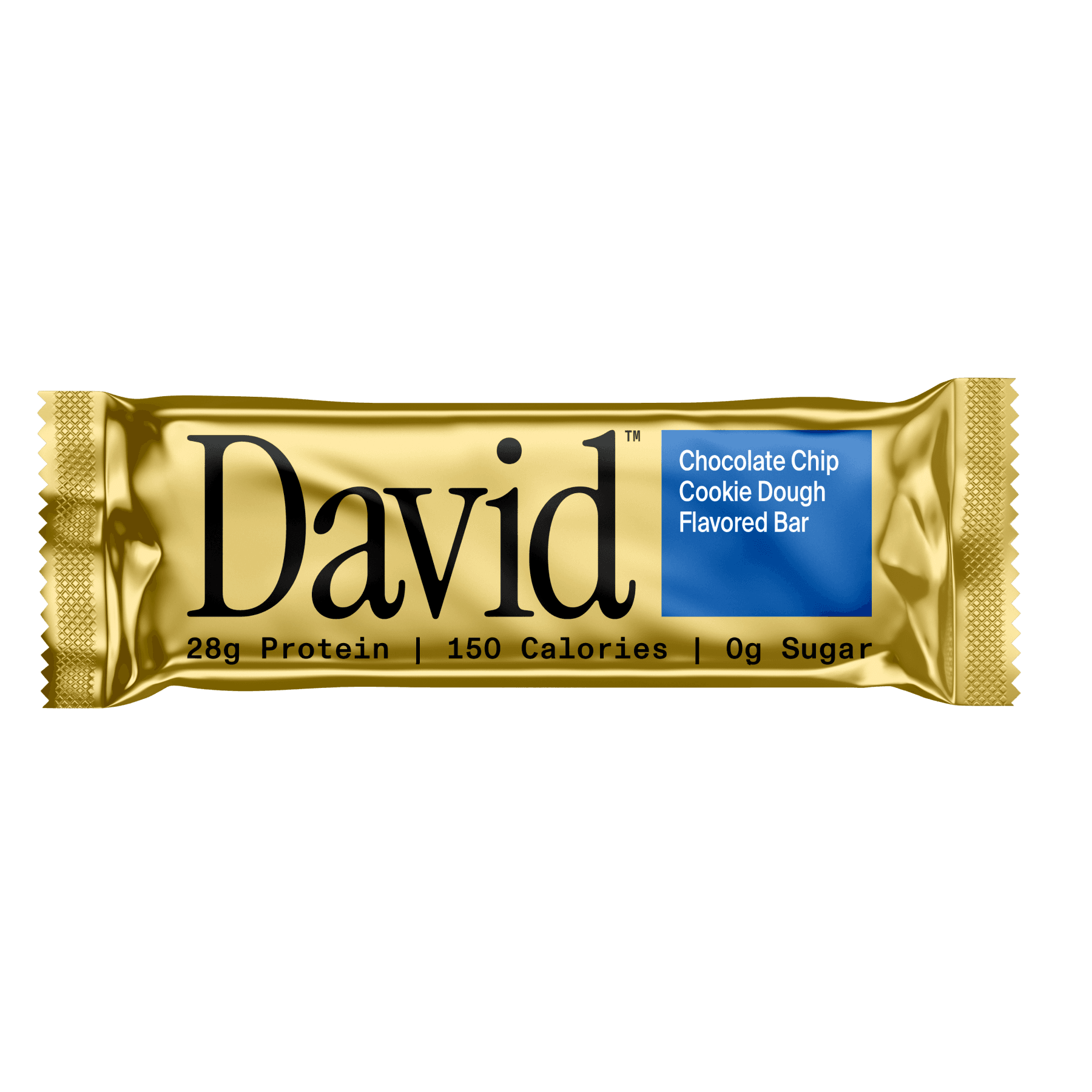
Reader Deal — 10% off at David Protein
Applied automatically through our link — no code needed
Bottom line: David wins the protein-density argument even at the adjusted figures - log 200+ calories per bar, not 150, and it still beats every mainstream competitor on protein per calorie. The label gap is real and it matters in competition prep.
At a glance
Rating breakdown
Pros & cons
Pros
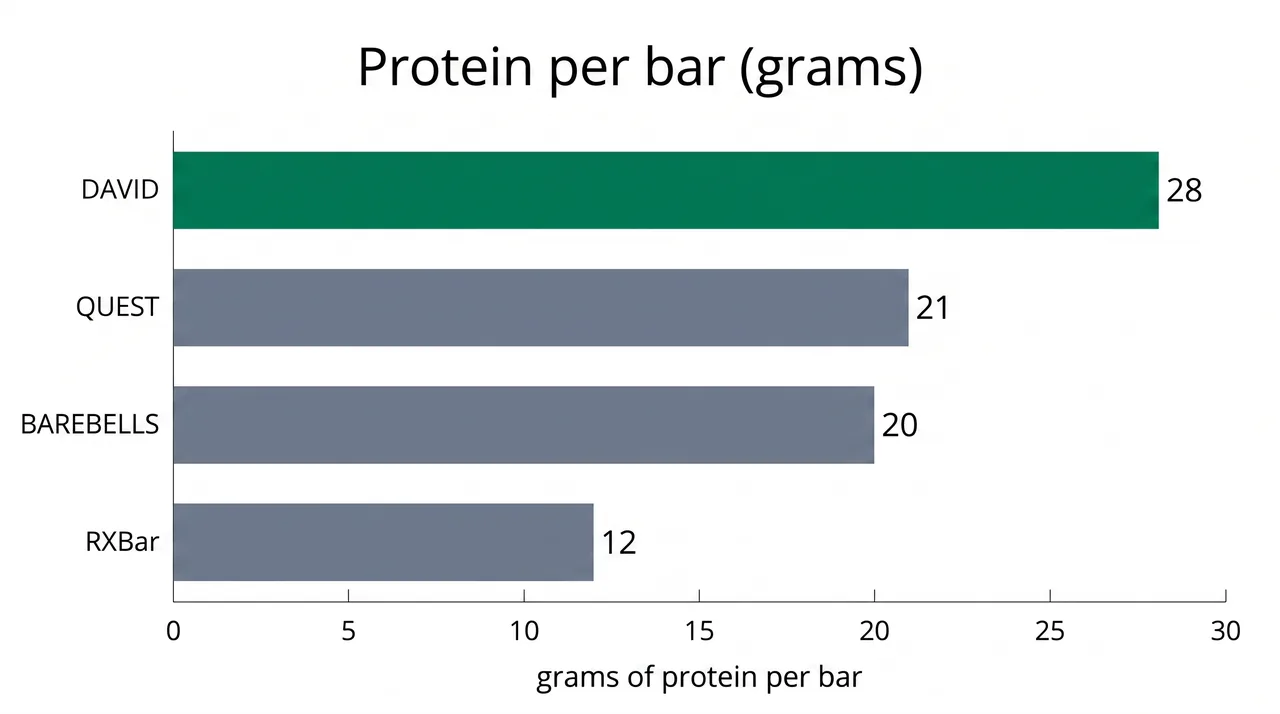
- 28g stated protein per 150 stated calories - no mainstream bar touches that ratio, even adjusting downward to the independently measured 23.6g
- Allulose instead of erythritol or maltitol - zero GI distress across four weeks of daily use including pre-fasted training days
- Chocolate Chip holds up for a full 12-week cut without sweetness fatigue - that is a real differentiator over bars that get sickening by week six
- No aftertaste - a consistent edge over every erythritol-based competitor I have run alongside it
- Useful for GLP-1 users and illness-recovery protocols where high protein in minimal food volume is the goal
Cons
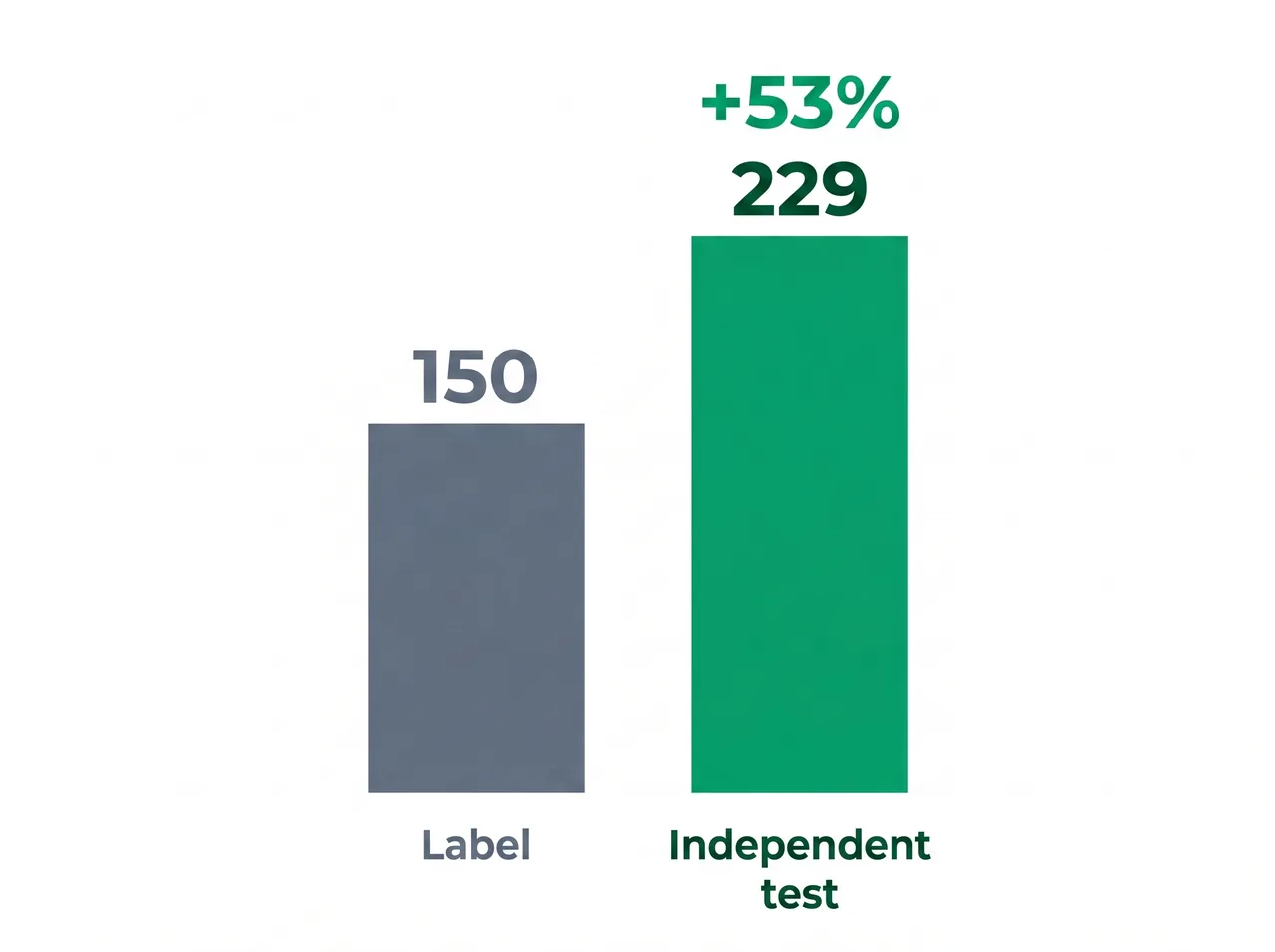
- An independent calorie test on the Fudge Brownie found 229 calories vs. stated 150 and 23.6g protein vs. stated 28g - logging at the label figure in competition prep is a meaningful tracking error
- Salted Peanut Butter and Cinnamon Roll flavors do not deliver on their names - Salted PB has almost no peanut butter character
- Sweetness level is polarizing - allulose reads as cloying for some buyers by the third or fourth consecutive bar
- Retail footprint is thin - Amazon and the brand's own site only for most buyers
Who is this for?
Best for
Macro-focused athletes who want the highest protein density per snack and will log 200-plus calories per bar rather than the stated 150. GLP-1 medication users who need dense protein in minimal food volume. Anyone who has been avoiding high-protein bars due to erythritol or maltitol GI issues.
Skip if
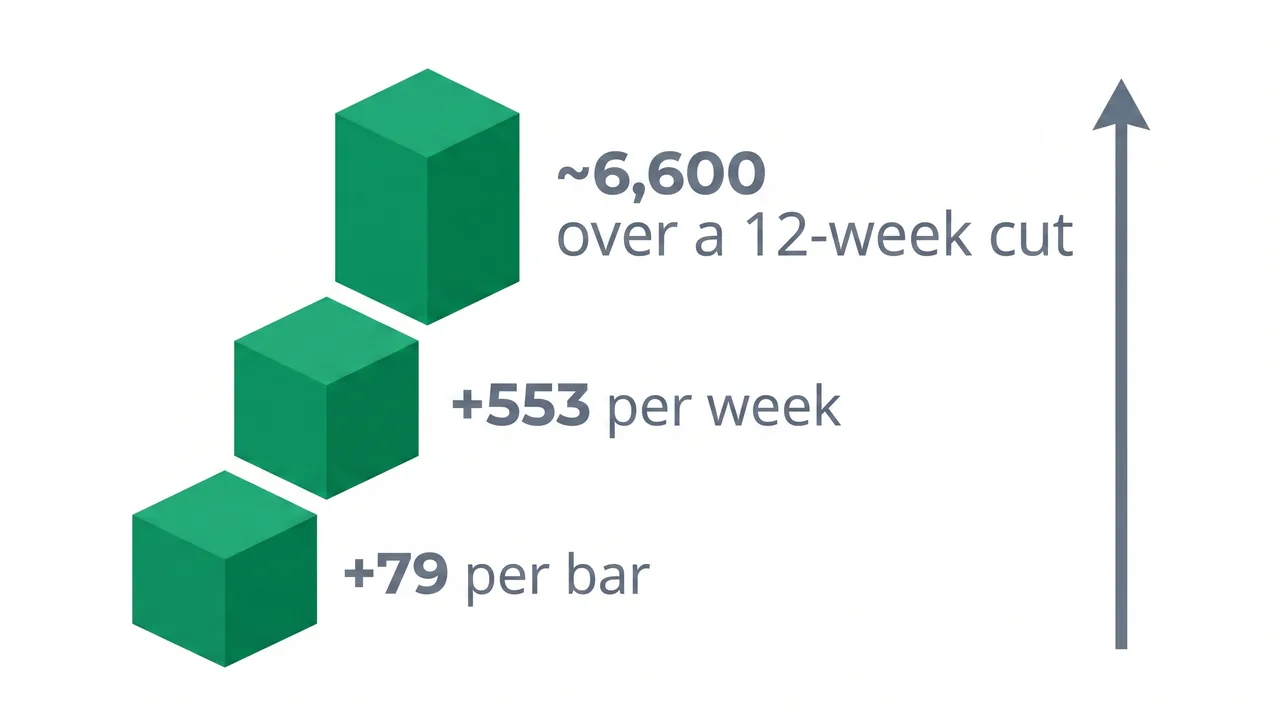
Athletes in precision competition prep building a tight calorie deficit around specific daily targets - the label gap is too wide to absorb at 1,200 calories a day without throwing your cut off. Also not the right bar if whole-food ingredient transparency is a hard requirement.
How I tested it
12 weeks (full competition prep cycle) — Daily post-workout snack across a 12-week cutting phase. Seven flavors rotated to assess taste durability under repeated daily use. Compared GI tolerance against Barebells (erythritol-based) run concurrently for the first two weeks. All bars logged in MyFitnessPal against stated macros.
What didn't change: No GI distress across the full 12-week period including multiple back-to-back days. The zero-GI null result held across all seven flavors tested - including back-to-back Chocolate Chip days before fasted morning training.
28g protein for 150 calories - the macro math that made me look twice
Are David bars really 150 calories?
How the flavors actually taste - and which to skip
Do David bars cause bloating? Allulose vs erythritol
The calorie controversy and the class-action lawsuit
Are David bars good for weight loss - and worth it?
Ready to buy?
We earn a commission if you purchase — it does not affect our verdict.
See current prices at David Protein BarDavid Protein Bar vs Quest Bar vs RXBar
| Feature | David Protein | Quest Bar | RXBar |
|---|---|---|---|
| Stated protein | 28g | 21g | 12g |
| Stated calories | 150 | 190 | 210 |
| Independently measured calories | ~229 (Fudge Brownie) | Established track record | Established track record |
| Sweetener type | Allulose | Erythritol blend | Dates (whole food) |
| GI tolerance | Excellent - zero distress in 12-week daily test | Variable - erythritol causes issues for some | Good - whole food sugars |
| Price per bar | ~$3.00 | ~$2.50-3.00 | ~$2.80-3.20 |
Also tested
We tested these fitness nutrition products in the same period. Here is why they did not make the cut.
Quest Nutrition Quest Nutrition Protein Bar
Quest is the baseline I measure everything against because it has years of consistent label accuracy and broad availability. At 20g protein and 190 calories, the stated macro ratio does not compete with David's headline claim - but on independently measured figures, the gap narrows considerably. Quest uses erythritol, which gave me GI issues during back-to-back use in the same testing period where David produced zero distress. If you tolerate erythritol and label accuracy is a hard requirement for your prep - Quest is the safer call. If GI tolerance is your constraint, it is not.
RXBar RXBar Protein Bar
RXBar is a different product that happens to sit in the same shelf section. Twelve grams of protein at 210 calories is not a competition prep bar - it is a whole-food snack with a clean ingredient list. I keep a box around for clients who want ingredient transparency over macro density, but if you are tracking a serious cut and need maximum protein per snack, RXBar is not in the same conversation as David. The sourcing story is honest. The protein math is not in this tier.
Barebells Barebells Protein Bar
The best-tasting bar in the category - Salty Peanut is genuinely good and holds up better than anything David makes on flavor alone. The problem is erythritol, which caused bloating after two consecutive days in my direct comparison test. For athletes who train fasted and are already running a calorie deficit, GI distress is not a minor inconvenience. If you tolerate erythritol cleanly and taste is your priority over GI tolerance, Barebells is the right trade-off. If not, David wins that comparison.
Frequently asked questions
How does David Protein Bar get 28g protein in 150 calories?
Are David protein bars really 150 calories?
Does David Protein Bar cause bloating or digestive issues?
What are the best David Protein Bar flavors?
Is there a David Protein Bar class action lawsuit?
Are David protein bars good for weight loss?
How does David Protein Bar compare to Quest?
Does David Protein Bar have sugar?
Where can I buy David Protein Bars?
Is David Protein Bar worth the price?
Related reviews & guides
Root Labs' 4000mg Shilajit Claim Is a Blend Total, Not a Dose - and the 75% Fulvic Number Is a Red Flag
Root Labs wins the 5:30 AM compliance battle at $1.07 a day, but its 4000mg headline is a proprietary-blend total across 10 actives and its 75% fulvic claim contradicts the authentic 15-20% range.
ReviewBetterAlt Shilajit Sticks Disclose 400mg Per Serving - But the 75% Fulvic Claim Is a Red Flag
BetterAlt's honey sticks give you an honest 400mg-per-stick disclosure at ~$1.00/day, but an implausible 75% fulvic claim and no product-specific COA leave real potency unproven.
Review8 Weeks on Pür Shilajit: Eurofins Heavy-Metal Testing at $1.30/Day, No Fulvic Number, and Why That's the Point
At ~$39/30-day with a batch-matched Eurofins heavy-metal panel and Altai sourcing, Pür is the most defensible resin I tested on every knowable axis - but nobody, including Pür, can prove its potency.
Review8 Weeks on ARMRA Colostrum: 0.5" Less Bloating, Fewer Sick Days, and Zero Disclosed IgG
ARMRA is a well-sourced, pleasant colostrum with real-but-modest immune benefits, but it refuses to publish a per-serving IgG figure - the one number that lets you check the dose - hedging behind a marketing percentage instead.
Review12 Weeks of Contest Prep on WonderCow: Zero New Colds in the Back Half and a $1.08 Serving That Fights Warm Coffee
WonderCow is a genuinely filler-free, grass-fed colostrum at ~$1.08/serving that delivered real immune support across my prep, but it clumps badly in warm liquid and can't prove it beats ARMRA on IgG.
Written by
Ryan CallowayCompetitive natural bodybuilder (WNBF), NASM-CPT. 9 years of competition prep, coaches 12 clients. Every product is purchased at retail, tested across a full training block, and logged against the stated macros before a word is written.
Reviewed by
Marcus ReidFormer product development consultant. Marcus Reid oversees editorial standards and quality review for all TrulyVetted content.