Fitness Nutrition · Buyer's guide
The Best Colostrum Supplement in 2026: Ranked on What Brands Actually Disclose
By Ryan Calloway · Reviewed by Marcus Reid, Editor in Chief
Here is the uncomfortable truth that almost no colostrum guide will tell you: not one premium brand publishes how many grams of IgG you actually get per serving. IgG is the immune protein everyone markets. They give you a percentage with no serving weight, which means a real number is unknowable.
So I refuse to print a fake one. Any guide that quotes you a 'cost per gram of IgG' is fabricating it, because the math is impossible from the labels. That is the single most important thing to understand before you spend $65 to $120 on a jar.
What I can rank on is everything that is actually verifiable: where the powder comes from, how it is processed, whether it has fillers, how it mixes in real drinks, the honest price, and how straight the brand plays it. I tested these hands-on across a contest prep. On merit, the cheaper filler-free pick beats the premium one for most people.

WONDERCOW Colostrum
$64.99 (60 servings, ~$1.08/serving; $0.92 sub)
WonderCow earns the top slot on the things you can actually check. It is genuinely filler-free grass-fed colostrum at ~$1.08 per serving ($0.92 on subscription), processed at low temperature to protect the active proteins. Immune support was the standout in my prep, and that lines up with the strongest colostrum research. It cannot prove it beats the premium option on IgG, but neither can the premium option prove it beats this. So the cheaper honest pick wins.
- Genuinely filler-free unflavored powder, which is a real differentiator versus spray-dried brands with flow agents
- Immune support was the clearest benefit in my prep, matching the best-supported colostrum evidence
- Modestly cheaper than the premium comparator at ~$1.08/serving, dropping to $0.92 on subscription
- Clumps and goes gummy in warm or hot liquid, so you usually need a frother - its number-one weakness
- Markets a '40% IgG' figure but, like the whole category, publishes no verifiable per-serving IgG grams
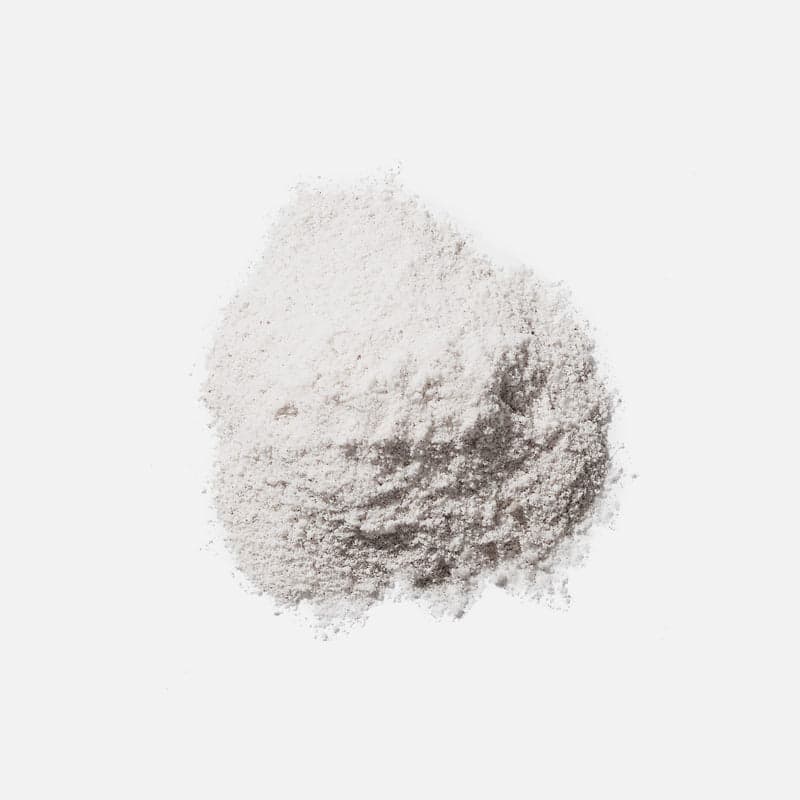
ARMRA Colostrum
~$120 jar / $84 subscription (~$0.87-$1.67/serving)
ARMRA is the smoother, more pleasant powder, and its sourcing story is genuinely strong: first-milking, pasture-raised US family farms, cold-chain low-temperature processing. In my 8-week log I saw a 0.5-inch waist drop from less bloating and stronger nails. But it costs more, it is equally opaque on IgG, and it carries documented customer-service problems. It earns this place on texture and sourcing - not on any provable potency edge over the cheaper pick.
- Clean malty taste that dry-scoops with no clumping, so it beats the value pick on texture
- Strong, verifiable sourcing: first-milking, grass-fed family-farm cows with gentle cold-chain processing
- Pricier at up to ~$1.67/serving, and it still refuses to publish a per-serving IgG amount
- Documented customer-service issues: no phone line, unanswered emails, and canceled orders
Honor Supplements Colostrum
~$64.95 (60 servings, ~$1.08/serving; ~$0.92 sub)
Honor Supplements comes up often as a budget alternative, priced right alongside the top pick at ~$64.95 for 60 servings (~$1.08/serving, ~$0.92 sub). I have not run it across a full prep, so I rank it on published specs and price rather than hands-on results. Like every other brand here, it does not disclose per-serving IgG grams, so it lives in the same transparency blind spot as the rest of the field.
- Priced in line with the value leader at ~$1.08/serving, with a comparable subscription discount
- A frequently surfaced alternative if the top two are out of stock or you want a third option to compare
- I have not tested it hands-on, so its mixability and real-world results are unconfirmed here
- Discloses no per-serving IgG grams, exactly like the premium brands it is meant to undercut
What You Are Actually Paying For
Start here, because it reframes the whole category. The headline benefit of colostrum is immune support, specifically fewer upper respiratory infections, and that is the benefit with the strongest clinical backing. In my own prep, fewer sick days was the clearest result I logged.
The gut claims are where marketing outruns the evidence. Leaky-gut and digestion benefits are genuinely conflicting in the research and slow at best. I am not telling you they are impossible; I am telling you the science does not yet support the confident promises on most labels. Buy it for immune support and treat any gut benefit as a bonus.
You are also paying for sourcing and processing, which is real and verifiable. Grass-fed, low-temperature or cold-chain processing protects the active proteins better than high-heat spray-drying. That is a legitimate quality difference you can actually evaluate, unlike the IgG number.
The IgG Number Nobody Will Give You
This is the dirty secret of the whole category. Every premium brand brags about IgG, the key immune protein, but states it as a percentage with no serving weight attached. A percentage of an undisclosed gram amount tells you nothing you can use.
Worse, the likely serving size sits around 1 to 2 grams, while the strongest studies used 20 to 25 grams. So even at a generous IgG percentage, you are almost certainly nowhere near a studied dose. That is not a knock on one brand; it is true across the field.
This is exactly why I will not print a 'cost per gram of IgG.' I cannot compute it honestly, and neither can anyone else. When you see that figure in a guide, someone made it up. Rank on what is knowable - sourcing, fillers, mixability, price, and honesty - and ignore the potency theater.
Format, Mixability, and Real Cost
Mixability is the deciding factor in daily use, and it is where these two split hardest. The value pick clumps and goes gummy in warm liquid and sticks to the glass; a frother fixes it, but you have to want to do that every morning. The premium pick dry-scoops smoothly with no grit, which is genuinely nicer.
On cost, the gap is smaller than the price tags suggest. The value pick runs ~$1.08/serving ($0.92 sub). The premium pick spans ~$0.87 to $1.67/serving depending on jar versus subscription, so at its best subscription price it is competitive, and at its worst it is well above the value pick.
One more thing on value erosion: I have seen scoop-shrink and quiet reformulations in this space, so check your own jar's serving math against what the listing claims. The macro load on both is negligible - under 1g carb and a handful of calories - so it slots into a tracked diet without trouble, the way a clean protein bar does.
The bottom line
For most people, the value pick is the smart buy: filler-free, grass-fed, immune support that showed up in my prep, all at ~$1.08 a serving. Just drink it cold, because warm liquid is where it clumps. Pay up for the premium option only if texture and the first-milking sourcing story matter more to you than ~$10 a month, and you can stomach the customer-service risk. Neither one can prove a potency edge, because none of them disclose the number that would settle it. If you want the head-to-head, see my breakdown of how these two grass-fed colostrums split on texture and price.
Frequently asked questions
Does any colostrum brand actually tell you how much IgG you get per serving?
No. Across the premium brands I checked, none publishes a per-serving IgG gram figure; they all give a marketing percentage with no serving weight. That makes a real dose impossible to verify, which is why I rank on sourcing, fillers, mixability, and price instead. My full WonderCow breakdown walks through exactly how that opacity plays out.
Is colostrum better for immune support or gut health?
Immune support. The best-supported colostrum benefit is reducing upper respiratory infections, and that showed up clearly in my own contest prep. The gut and leaky-gut evidence is genuinely conflicting, so I would not buy it primarily for digestion.
Which colostrum is the best value?
The filler-free value pick at ~$1.08 per serving, dropping to $0.92 on subscription. It matches the premium brand on the things you can verify while costing less, which is why it tops my ranked colostrum picks.
Why does the powder clump in my coffee?
Because low-temperature filler-free colostrum goes gummy in warm or hot liquid and sticks to the glass. The value pick's clumping is its single biggest weakness; a frother solves it, or you can mix it into cold liquid instead.
Is the more expensive option worth the extra money?
Only if texture and sourcing story matter more to you than about $10 a month. The premium pick I tested for 8 weeks dry-scoops smoother and has a strong first-milking sourcing story, but it cannot prove a potency edge and has documented customer-service issues.
How much colostrum should I take per day?
Brands suggest roughly 1 to 2 grams per serving, but the strongest studies used 20 to 25 grams, so most servings sit well below studied doses. I take one serving daily for immune support and set my expectations accordingly rather than chasing the study protocol.
Is colostrum safe to take with whey, creatine, or collagen?
Yes, in my experience it stacks cleanly with whey, creatine, and collagen with no interactions I ran into, even on a high-protein restricted prep diet. Just remember it is bovine milk-derived, so it carries a dairy allergy risk.
Will colostrum add calories to a cutting diet?
Barely. The value pick I tested runs about 5 to 9 calories and under 1 gram of carb per serving, so it fits a tracked prep diet easily. I logged no GI distress on it even while calorie-restricted.
Can I trust the third-party testing claims on these labels?
Cautiously. The value pick makes a testing claim but offers no public certificate-of-analysis database, so you take it on faith. I treat unverifiable claims as marketing until a brand posts the documentation, the same standard I'd apply to any supplement.
Is colostrum dairy-free?
No. Bovine colostrum is milk-derived and carries a real allergy risk for sensitive users, so it is not safe for a true dairy allergy. If you only have lactose sensitivity, the very small serving size may be tolerable, but test cautiously.
TrulyVetted may earn a commission on purchases made through links on this page. This does not affect our rankings or verdicts. See our disclosure.