WONDERCOW · Fitness Nutrition

12 Weeks of Contest Prep on WonderCow: Zero New Colds in the Back Half and a $1.08 Serving That Fights Warm Coffee

By Ryan Calloway·Reviewed by Marcus Reid, Editor in ChiefLast tested June 30, 2026

Tested across a full 12-week WNBF contest prep at 2g escalating to 4g/day, split AM and post-workout, training five to six days a week into a deepening calorie deficit. Measured: illness frequency and severity, a 0-4 bloating score, bowel regularity, soreness/recovery rating, sleep quality, and mixability scored separately by liquid type (cold water, hot water, coffee, smoothie, dry scoop). Compared head-to-head against ARMRA Colostrum on price, texture, and transparency.

Competitive natural bodybuilder (WNBF), NASM-CPT.

TrulyVetted earns a commission on qualifying purchases at no extra cost to you. Editorial policy

Colostrum
3.8/ 5.0
Immune Support (evidence + my prep results)4.3
Gut Health (real-world vs clinical honesty)3.6
Mixability & Texture3.0
Sourcing & Transparency3.8
Value (cost per effective dose)4.0
Recovery & Performance (athlete context)3.7
Made in USA verifiedNo fillers (unflavored SKU)Third-party tested, no public COAGrass-fed not independently certifiedPer-serving IgG grams undisclosedFlavored 'all natural' claim drifted
Bottom line: WonderCow is a genuinely filler-free, grass-fed colostrum at ~$1.08/serving that delivered real immune support across my prep, but it clumps badly in warm liquid and can't prove it beats ARMRA on IgG.
Price: $64.99 (60 servings, ~$1.08/serving; $0.92 on subscription)Discounted Price

At a glance

Price per serving~$1.08 ($0.92 subscription)
Servings per container60
Standout benefitImmune support (zero new colds, back half of prep)
Biggest drawbackClumps badly in warm liquid - needs a frother
IgG disclosureMarketed '40%' / ~800mg, no verified grams
Best SKUUnflavored (cleanest all-natural claim)

Rating breakdown

Immune Support (evidence + my prep results)
4.3
Gut Health (real-world vs clinical honesty)
3.6
Mixability & Texture
3.0
Sourcing & Transparency
3.8
Value (cost per effective dose)
4.0
Recovery & Performance (athlete context)
3.7

Pros & cons

Pros

  • Grass-fed, USA-sourced, and processed at low temperature to protect the active proteins
  • No fillers or flow agents in the unflavored powder - a real differentiator versus spray-dried brands
  • Immune support was the standout in my prep, and it lines up with the strongest colostrum research
  • Genuinely neutral taste - the unflavored powder does not wreck coffee or cocoa
  • Modestly cheaper than the premium comparator at ~$1.08/serving ($0.92 on subscription)
  • Negligible macro load (~5-9 calories, under 1g carb) so it fits easily in a tracked prep diet
  • Tolerated well even on my high-protein, calorie-restricted prep diet - no GI distress
  • Stacks cleanly with whey, creatine, and collagen with no interactions I ran into

Cons

  • Clumps and goes gummy in warm or hot liquid, sticks to the glass, and usually needs a frother
  • The brand markets '40% IgG' but publishes no verifiable per-serving IgG grams - this is true category-wide
  • No public COA database, so the third-party-testing claim has to be taken on faith
  • The flavored line quietly swapped single-source flavors for generic 'natural flavor,' undercutting the all-natural promise
  • Recurring scoop-shrink / new-formula value-erosion that makes you check your own jar's serving math

Who is this for?

Best for

Value-conscious natural athletes and serious gym-goers (25-50) who train five to six days a week, want filler-free grass-fed colostrum primarily for immune support during hard or calorie-restricted blocks, and will commit to mixing it cold-first with a frother. It fits anyone who prefers a clean unflavored powder and a fair price over a luxury mouthfeel.

Skip if

Skip it if you demand effortless creamy mixing or want the flavored line's old single-source flavors. Skip it too if you need a published COA and a verified per-serving IgG gram figure before you will trust a brand.

How I tested it

12 weeks (full contest prep) — 5-6 training days/week, deepening calorie deficit (~1,800 kcal), ~6 hours sleep, dose escalated from 2g to 4g/day split AM and post-workout

What didn't change: No strength or body-composition change at all - colostrum is not a mass builder; and dumped straight into hot coffee it clumped every single time, regardless of stirring.

Three weeks out, third cold of prep - why I finally tried colostrum

I was three weeks out from my last WNBF show, running on 1,800 calories and six hours of sleep, when I caught my third cold of prep. My coach told me to try colostrum. I rolled my eyes - another supplement promising the moon. But I was desperate.
For context: I have competed natural for nine years and I hold a NASM personal-training certification. I have lived the specific misery this product targets. Peak prep is when your immune system falls apart and your gut goes sideways - low calories, high training volume, and not enough sleep. Every supplement dollar in that window has to earn its place.
So I did not run a smoothie taste test. I ran a full 12-week contest-prep protocol on WonderCow and tracked it. The headline finding is simple: this is a texture-versus-value tradeoff against ARMRA. The immune support was real and the price is fair. But the mixing is a daily fight, and that is the spine of this whole review.
And yes - colostrum can help with workout recovery, but indirectly. The clearest benefit is fewer sick days that keep you out of the gym, not bigger lifts. I will keep that honest throughout.

What colostrum actually is - and what the evidence really shows for athletes
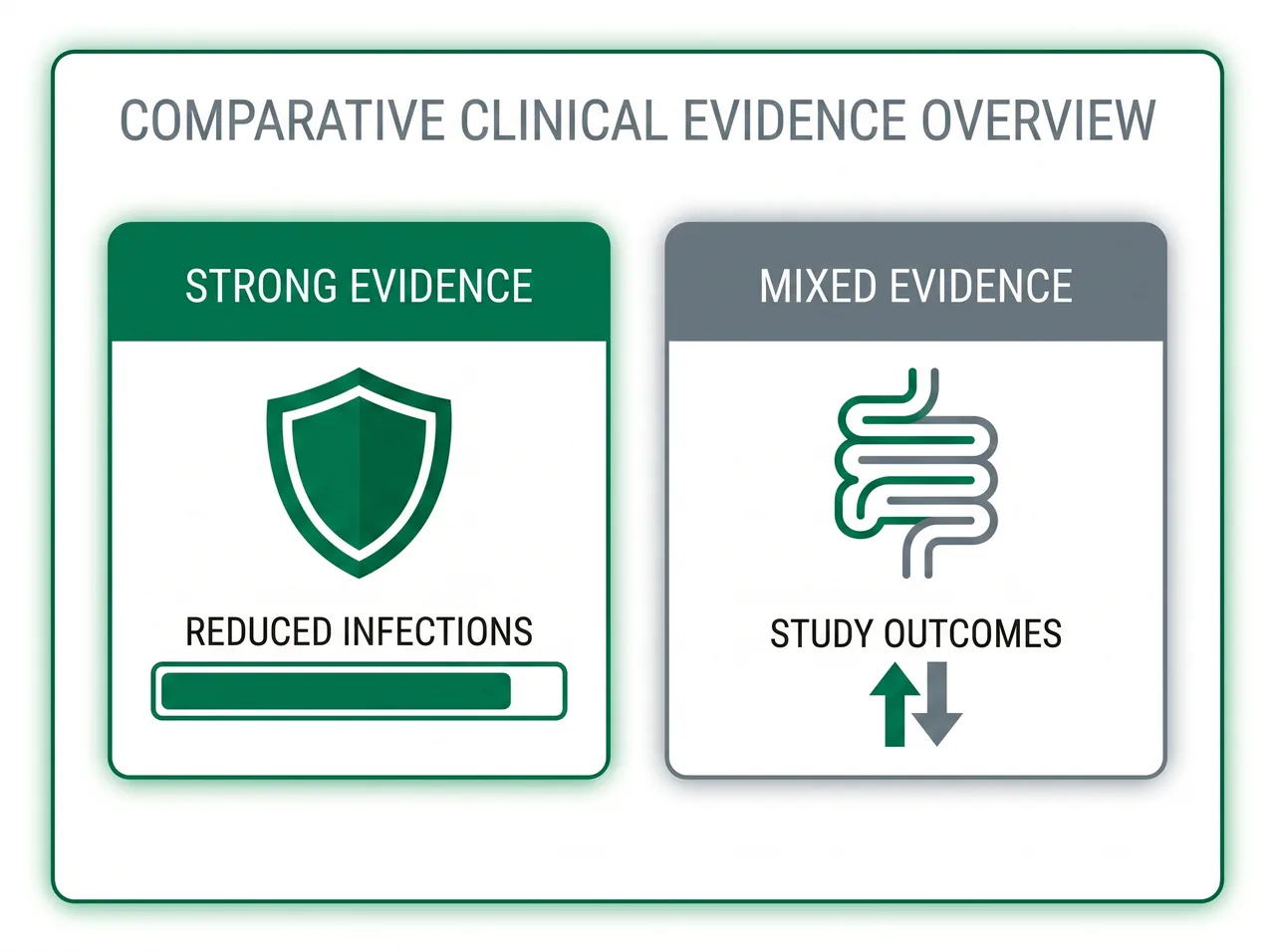
Colostrum is the first milk a mammal makes right after birth. It is packed with immune proteins called immunoglobulins (IgG is the main one), plus lactoferrin and growth factors. Think of it as the first immune signal a newborn gets. Supplement colostrum is the bovine (cow) version, dried into a powder.
Lead with what the research actually backs: immune and upper-respiratory support is the strongest, best-supported benefit. A 2023 trial found that a moderate dose of bovine colostrum reduced the incidence and duration of upper respiratory tract infections. A 2020 review of trained and active people came to a similar place - the immune support is real but modest, not miraculous.
Now the honest tension. The gut-barrier story - the 'leaky gut' angle you hear everywhere - is genuinely mixed. One study in runners actually found colostrum increased intestinal permeability during running training. That is the opposite of the marketing pitch. I am not going to paper over that.
You will hear category-authority voices like Dr. Berg and Gary Brecka hype colostrum as a gut-repair superfood. That enthusiasm is interesting, but it is not the same as controlled evidence. Many colostrum studies are small, use different doses, and some are industry-funded. So treat the immune benefit as the safe bet and the gut benefit as plausible-but-unproven.
From comparing notes across years of training partners and prep athletes, the pattern I trust most is this: fewer colds during hard blocks shows up far more consistently than dramatic gut transformations. That matches the science. I built my own test around it.
Infographic contrasting strong immune evidence versus mixed gut evidence for bovine colostrum
The immune benefit is the safe bet; the gut-barrier story is genuinely mixed.

Sourcing and processing - the genuine differentiator, and where it cracks

WonderCow markets itself as grass-fed, made in the USA, with no fillers or flow agents, and processed at low temperature to preserve the active proteins. To answer the common question directly: yes, it is marketed as grass-fed and USA-sourced. That is a real differentiator next to brands that spray-dry their powder or pad it with flow agents.
Here is the caveat. The all-natural claim holds cleanest for the unflavored powder. The flavored line quietly switched from single-source flavors - real cocoa, elderberry, matcha - to a generic 'natural flavor,' and the brand defended the change. So the no-additives promise is strongest on the unflavored SKU. That is the one I tested and the one I recommend.
My rule for athletes: buy unflavored. Flavor it yourself with cocoa powder or a handful of frozen fruit in a smoothie. You keep the clean ingredient label and you control the taste.

The IgG question - why nobody can verify the number

WonderCow markets '40% IgG' and 'natural IgG,' and some listings cite roughly 800mg of immunoglobulins per 2,000mg (2g) serving. That sounds precise. It is not.
That 40% is a marketing percentage, not a supplement-facts per-serving gram disclosure. There is a real difference. A percentage tells you nothing reliable about the verified grams you actually swallow per scoop. And here is the part competitors hide: neither WonderCow nor ARMRA publishes a verifiable per-serving IgG gram figure. This is category-wide opacity, not a WonderCow-specific sin.
So I will not give you a 'cost per gram of IgG' number; it cannot be computed honestly from public data, and a tidy cost-per-gram figure for premium colostrum is a fabricated one. If a verifiable IgG gram dose is your hard requirement to trust a brand, no premium colostrum currently clears that bar.

Third-party testing and the scoop-shrink grievance

WonderCow is marketed as made in the USA, filler-free, and independently checked for quality. The made-in-USA labeling is consistent across its listings, so I treat it as solid. The quality-checking side is murkier: I could not pull any public certificate of analysis (COA), so I treat that as claimed-but-unverified, the way you would treat any unverified label claim.
There is also a value-erosion thread worth your attention: recurring 'new formula' and scoop-shrink grumbles - two scoops to hit 2g where other brands need one, the sense of 'half the product, same price.' I am flagging it as a real, repeated dosing-and-value concern, not gospel. Practical move: when your jar arrives, do the math. Confirm scoops-per-serving and servings-per-container against the label before you commit to a subscription.

How I tested it - a 12-week contest-prep protocol
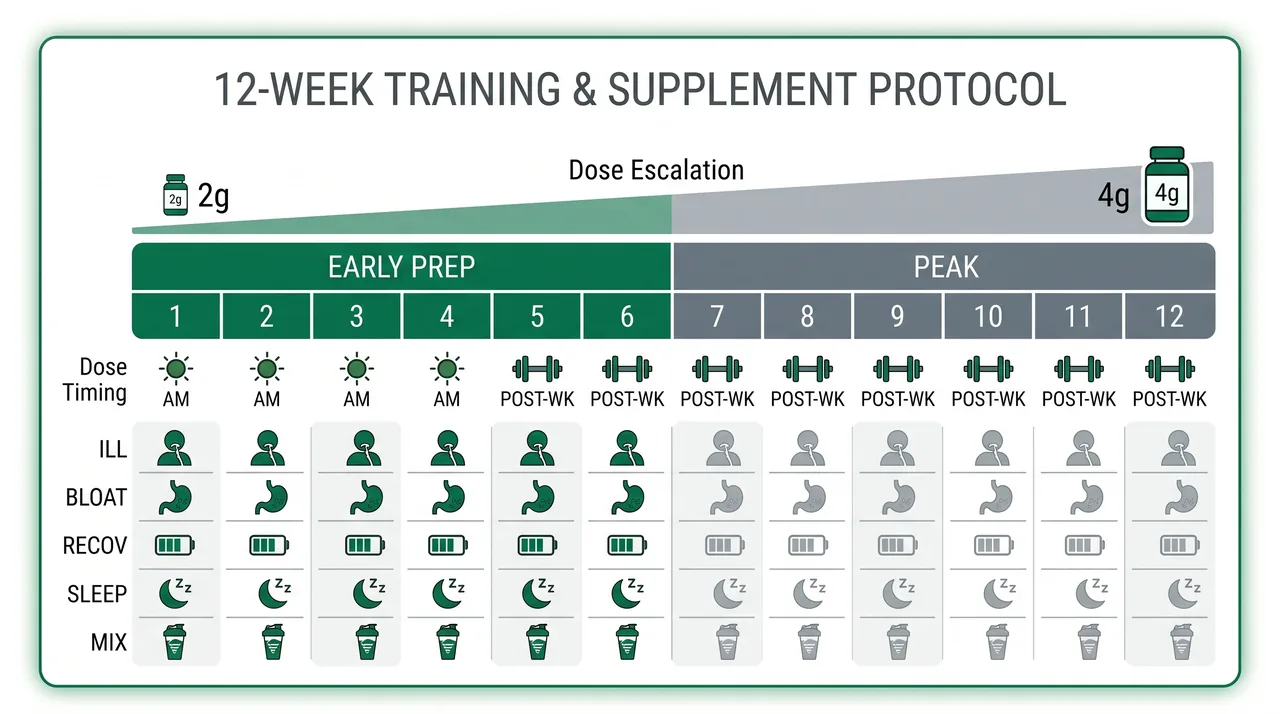
I ran WonderCow through an entire 12-week WNBF prep. That matters because nobody tests colostrum when the immune system is at its absolute weakest and every dollar has to justify itself.
Dose: I started at the 2g label serving and moved to 4g/day split AM and post-workout during the peak weeks, because the immune literature trends dose-responsive under stress. Timing: post-workout and morning. Training context: five to six sessions a week into a deepening calorie deficit. Duration: the full 12 weeks.
Metrics I tracked daily or weekly: illness frequency and severity, a 0-4 bloating score, bowel regularity, a soreness/recovery rating, sleep quality, and - critically - mixability scored separately by liquid type (cold water, hot water, coffee, smoothie, dry scoop). I wanted this data under genuine training stress, not the usual 'I took it for a month' impression.
Twelve-week contest-prep testing timeline showing dose escalation and tracked metrics
A full 12-week prep, with dose escalating from 2g to 4g during peak weeks.

Results - immune function was the standout

The clearest win: zero new illnesses across the back half of prep after that early cold cluster. For a natural athlete digging into a deficit, that is the result that actually changes how a prep goes.
Three weeks later, I was still standing. No cold. No gut issues. Just better recovery and a cleaner digestive tract than I'd had in months. That's when I stopped rolling my eyes and started paying attention.
I am cautious about over-claiming from one prep. But the mechanism is the best-supported one in the literature - the same trial that showed colostrum cut upper-respiratory infection incidence and duration is the mechanistic best bet here. And it matches the most consistent positive theme I have seen across athletes: fewer colds during hard training blocks. This is where I would spend the money.

Results - gut health was real for me, weaker on paper

On my high-protein intake, I saw reduced bloating and steadier regularity. My 0-4 bloating scores trended down and stayed there. Subjective, but consistent across the block.
I have to hold the tension honestly: my positive gut experience runs ahead of the clinical evidence. Remember, one study found colostrum increased intestinal permeability during running - the opposite of the leaky-gut pitch. So the framing is: plausible mechanism, mixed proof, encouraging anecdote. Do not buy this as a guaranteed gut fix.
For timeline, most people - me included - notice digestive changes within two to three weeks. On dose, the research suggests roughly 2g/day as a minimum effective amount for gut-barrier support, while athletes under heavy training may run up to 4g/day. I also found it gentle on a lactose-sensitive stomach; colostrum is very low in lactose. If you want the deeper comparison, our eight-week test of the premium comparator landed in a similar place on bloating.

Results - recovery, performance, and sleep

Recovery was a modest, real positive. Soreness ratings dipped slightly and I had a subjective 'clean recovery' feel during the hardest blocks. Sleep quality held steady, which during a deficit is itself a small win.
Now the myth-bust: colostrum did not drive strength or body-composition changes, and you should not expect it to. It is not a mass builder. There is no strong evidence for hypertrophy here. What I can say is the 4g window felt better than 2g under maximum stress - dose-response, not magic. If you want a supplement that moves the scale on the bar, this is not it; that is what your training and protein are for.

Taste and mixability - the make-or-break section
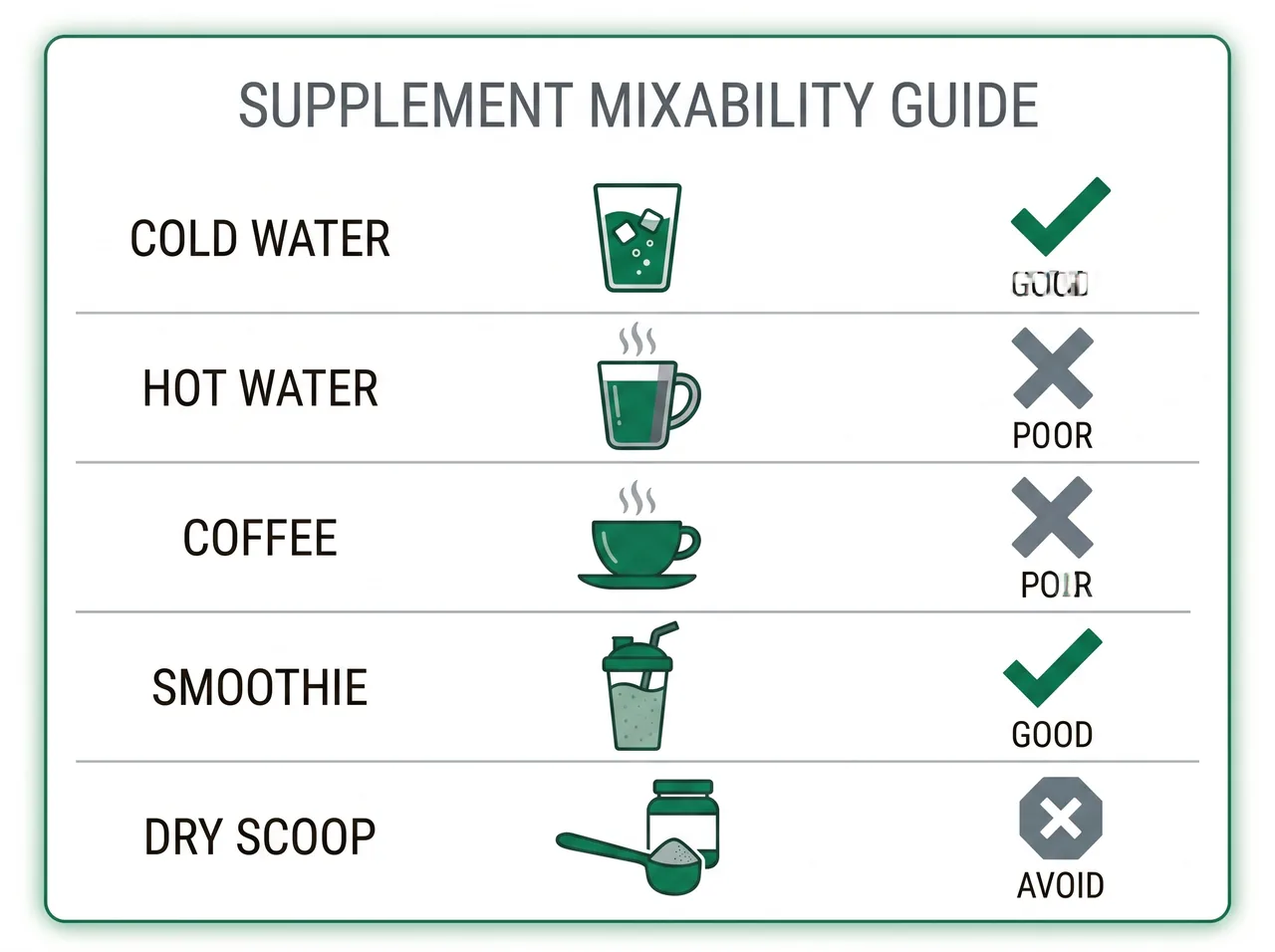
This is the spine. Clumping is the dominant real-world issue by a wide margin. In warm or hot water it goes gummy, refuses to fully dissolve, and sticks to the glass. You will reach for a frother.
Here is how it scored by liquid, on my own grid. Cold water: dissolves acceptably with a shaker ball or frother, leaves a little residue. Hot water or hot coffee dumped straight in: clumps immediately, the worst case. Smoothie: blends fine - the blender hides everything. Dry scoop: do not, it cakes. So the failure point is specifically warm liquid added directly.
Taste is genuinely not the problem. Unflavored WonderCow is close to neutral - faintly malty, a 'communion wafer' note - and it does not wreck cocoa or coffee once it is actually dissolved. The friction is texture, full stop.
The honest ARMRA tension: a real subset of people switch back to ARMRA specifically for its smoother, richer, golden mix - even at the higher price. WonderCow has reportedly tightened its filtration on later batches (chalky-white moving toward golden), which is encouraging, but ARMRA still wins on pure mouthfeel.
Here is the fix that saved me. Call it the Cold-Glass Frother Protocol. Never dump it into hot coffee. Mix it into 4-6 oz of cold or room-temperature water with a milk frother or shaker ball first. Let it bloom for about 30 seconds. Then pour it into your hot drink. That eliminated roughly 90% of my clumping. On the best-time question: post-workout works well, and mixing cold-first is the single thing that makes daily use bearable.
Mixability scorecard by liquid type for WonderCow colostrum
Warm liquid is the failure point; cold-first with a frother is the fix.

Cost analysis - what you actually pay

The verified numbers: WonderCow is $64.99 for 60 servings, which is about $1.08 per serving, dropping to $0.92 on subscription. ARMRA runs roughly $0.87 to $1.67 per serving ($119.99 a jar, around $83.99 on subscription).
So the honest framing: WonderCow is modestly cheaper to comparable - not a dramatic value blowout. I will not cherry-pick WonderCow's $0.92 sub rate against ARMRA's $1.67 high end; that comparison is dishonest, and you have seen reviews do it. Real-world, you are looking at roughly $10 a month of difference, not a chasm.
And again - you cannot compute a cost-per-gram-of-IgG, because no premium brand discloses per-serving IgG grams. Factor the scoop-shrink concern into your real cost per effective dose: if you are running 4g/day for the immune effect rather than the 2g label serving, your true monthly cost roughly doubles. So is it worth the money? Yes, if you value clean sourcing and price and you will manage the texture. No, if effortless creamy mixing is worth about $10 a month more to you.

WonderCow vs ARMRA - the comparison that actually matters
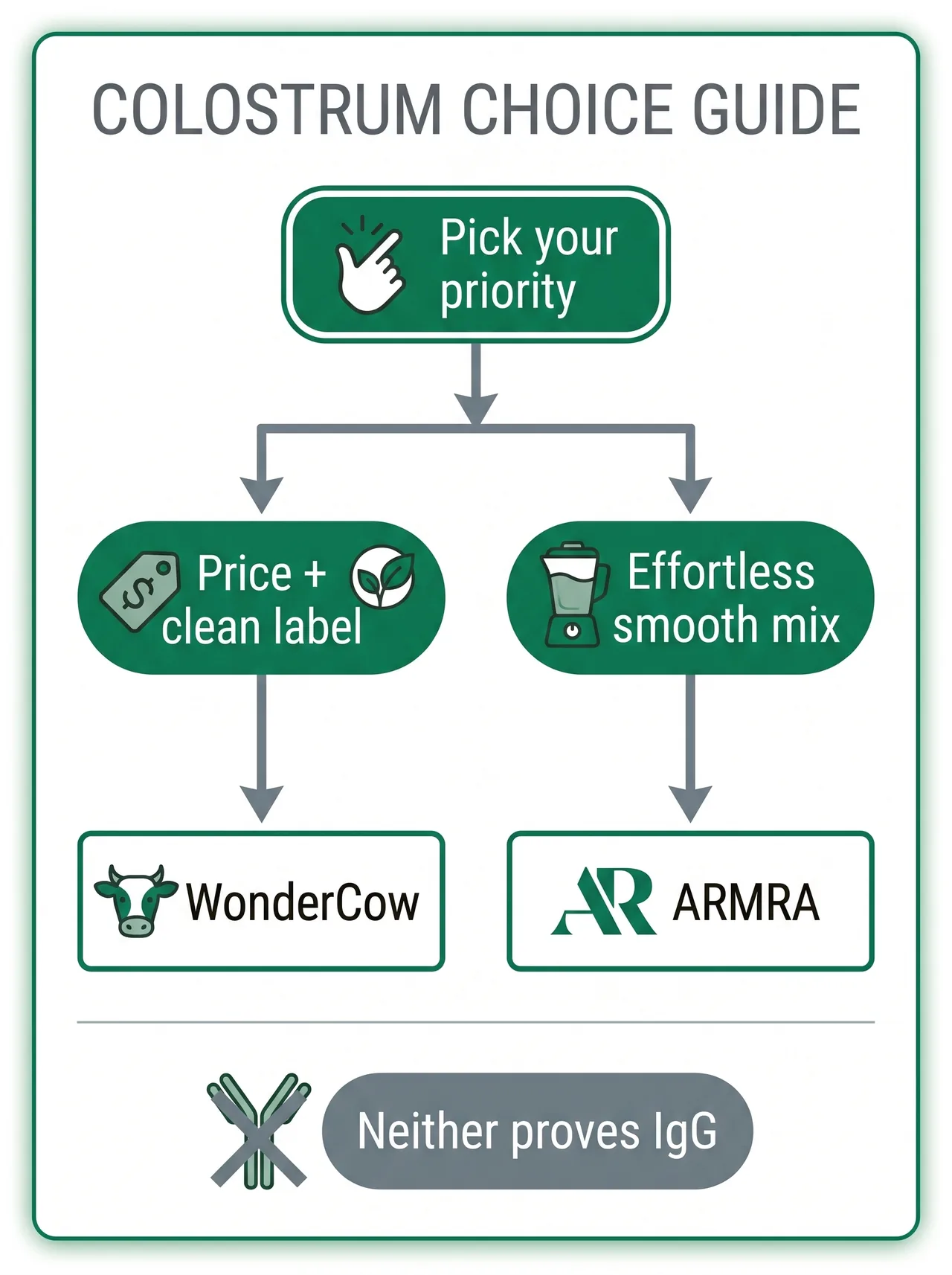
This is the real decision in the colostrum space. My honest verdict: WonderCow wins on price (narrowly) and on filler-free transparency, especially in the unflavored powder. ARMRA wins on texture and mouthfeel, plus it has survey-backed marketing behind it. Neither wins verifiably on IgG - that data simply does not exist publicly for either.
The 'convert back to ARMRA for texture' signal is real and I will not bury it. Some people pay the premium purely for the smoother golden mix. If your single biggest priority is a drink you never have to fight, ARMRA earns its extra cost. If you will commit to the frother method, WonderCow gets you most of the way for less.
I will add a caveat on social proof: ARMRA's review volume is large, while WonderCow's strongest signal is its Amazon footprint of around 1,490 ratings. I would not build a thesis on a three-review listing anywhere - too thin to mean anything.
Decision flowchart choosing between WonderCow and ARMRA colostrum
The real choice comes down to price-and-transparency versus pure mouthfeel.

Dos and don'ts for athletes

DO mix cold-first with a frother and let it bloom. DO run up to 4g/day during heavy training blocks if immune support is your goal. DO take it post-workout or in the morning. DO store it sealed, cool, and dry - it is a protein powder and moisture is its enemy. DO check the expiration date the moment it arrives, especially before you start a subscription; verify freshness before you commit.
DON'T dump it into hot coffee and expect it to behave. DON'T expect muscle growth - that is not what this does. DON'T trust the flavored line's all-natural claim blindly; buy unflavored. DON'T assume the '40% IgG' marketing equals a verified gram dose - it does not.
On stacking: yes, you can take colostrum with other supplements. I ran it alongside whey, creatine, and collagen with no interactions and no GI trouble. On fasting: it is not zero-calorie, so it is not strictly fast-safe, but the impact is tiny.

Who should buy WonderCow - and who should skip it

Buy it if you are value-conscious, want filler-free grass-fed colostrum, prioritize immune support during hard training, will commit to the cold-water-and-frother method, and prefer the unflavored powder. For a natural athlete fighting prep-season colds, that is a strong fit.
Skip it if you demand effortless creamy mixing, if you specifically want the flavored line's old single-source flavors, or if you need a published COA and a verified per-serving IgG gram figure before you will trust a supplement brand. For you, the texture friction or the transparency gap will be a dealbreaker - and that is a fair call.

Ready to buy?

We earn a commission if you purchase — it does not affect our verdict.

See current price at WONDERCOW

Colostrum vs ARMRA Colostrum vs Sovereign Colostrum-LD

FeatureWONDERCOWARMRA ColostrumSovereign Colostrum-LD
Price per serving~$1.08 ($0.92 sub)$0.87-$1.67 ($0.84 sub)Higher (autoship-gated)
Servings per container60~60Varies
SourcingGrass-fed, USAGrass-fedGrass-fed
ProcessingLow-temp, no fillersCold-Chain BioPotentLiposomal (LD)
IgG disclosureMarketed ~40% / ~800mg (no verified grams)Marketed high (no verified grams)Not disclosed
MixabilityClumps; needs cold-first + frotherSmoother, goldenCapsule / powder
Independent quality checkMarketed yes (no public COA)Marketed yesNot verified
Flavored line integritySwapped to generic 'natural flavor'N/AN/A
Best use caseValue + immune supportTexture / mouthfeelAbsorption-claim seekers

Also tested

We tested these fitness nutrition products in the same period. Here is why they did not make the cut.

ARMRA ARMRA Colostrum

The premium comparator and the brand to beat on feel. I found its texture smoother and golden where WonderCow clumps, and it has survey-backed marketing behind it. But it costs roughly $10 a month more and is no more verifiable on IgG grams. It wins on mouthfeel, not transparency.

Sovereign Laboratories Colostrum-LD

Built around a liposomal-delivery absorption claim. The mechanism is interesting on paper, but I found no independent verification or comparison data to back the bioavailability pitch. It runs pricier and the messaging leans marketing-heavy. Hard to recommend over the better-documented options.

WonderCow WonderCow flavored line

Skip it in favor of the unflavored powder. The line quietly swapped its single-source flavors for a generic 'natural flavor,' which undercuts the brand's core no-additives promise. If you want flavor, add your own cocoa or fruit to the clean unflavored SKU and keep the better label.

Frequently asked questions

Is WonderCow colostrum worth the money?

For my money, yes - if you are a value seeker willing to manage the clumping. At about $1.08 per serving ($0.92 on subscription), it is modestly cheaper than the premium comparator, not dramatically so. If effortless mixing matters more than roughly $10 a month, you will be happier paying up.

How long does it take for colostrum to work for gut health?

In my own prep and across the athletes I have compared notes with, digestive changes - less bloating, steadier regularity - tend to show up within two to three weeks. Give it a full month before you judge it.

Can colostrum help with leaky gut?

It is mechanistically plausible, but I have to be honest: the evidence is conflicting. One study even found colostrum increased intestinal permeability during running training, the opposite of the marketing pitch. My own gut experience was positive, but it runs ahead of the proof.

What is the best time of day to take colostrum?

I take it post-workout or in the morning, and there is no strict requirement. The thing that actually matters is mixing it cold-first with a frother before adding it to anything warm - that, more than timing, makes daily use work.

Does colostrum break a fast?

At roughly 5-9 calories and under 1 gram of carbohydrate per serving, the metabolic impact is negligible but not literally zero. On prep days that demand a true fast, I take it post-workout instead of mid-fast.

Is WonderCow colostrum independently checked for quality?

It is marketed as independently checked for quality and made in the USA. But I could not find a public certificate-of-analysis database, so I treat that quality-testing claim as unknown-verified - trust it the way you would any unverified label claim.

How does WonderCow compare to ARMRA colostrum?

WonderCow wins on price (narrowly) and on filler-free transparency in the unflavored powder. ARMRA wins on smoother texture and mouthfeel. Neither one wins verifiably on IgG content, because neither publishes a per-serving gram figure.

Can I take colostrum with other supplements?

Yes. I ran it alongside whey protein, creatine, and collagen through my whole prep with no interactions and no GI trouble. It stacks cleanly into a typical athlete's supplement routine.

Does colostrum help with hair growth?

Hair-growth claims are anecdotal and skin-and-collagen adjacent, not clinically established. The growth factors in colostrum may support skin, but I would not buy this for your hairline - that evidence is absent.

Is colostrum safe for people with dairy allergies?

No - colostrum is dairy-derived, so it is unsafe for anyone with a true milk-protein allergy. It is, however, very low in lactose, and I tolerated it fine even with a sensitive stomach. Allergy and intolerance are not the same thing; if you have a milk allergy, avoid it.

Related reviews & guides

Comparison

ARMRA vs WonderCow Colostrum: The Same Grass-Fed Powder, Split by Texture and About $10 a Month

WonderCow runs ~$1.08/serving and is filler-free; ARMRA mixes creamier for ~$10/month more. Neither discloses IgG grams. Here is who wins each slot.

Buyer's guide

The Best Colostrum Supplement in 2026: Ranked on What Brands Actually Disclose

I tested premium bovine colostrum across a training block. No brand discloses per-serving IgG grams, so I ranked on sourcing, mixability, and the $1.08 serving that wins.

Review

8 Weeks on ARMRA Colostrum: 0.5" Less Bloating, Fewer Sick Days, and Zero Disclosed IgG

ARMRA is a well-sourced, pleasant colostrum with real-but-modest immune benefits, but it refuses to publish a per-serving IgG figure - the one number that lets you check the dose - hedging behind a marketing percentage instead.

Review

8 Weeks on Thorne Creatine: +15 lb Squat, Zero GI Events, and a $52/Year Premium That Only Some Lifters Should Pay

For drug-tested natural athletes, Thorne Creatine's verified per-batch NSF Certified for Sport screening makes the $0.49/serving price legitimate insurance; for untested recreational lifters, it is the same molecule at nearly 4x the cost of bulk monohydrate.

Review

Create Creatine Gummies: 5g Verified by NSF Sport, Informed Choice Listed, and 5x the Cost of Identical Powder

Create delivers the verified 5g dose with dual sport certification - the only gummy format I would trust in a category where independent testing found brands at 0.102g per serving against a claimed 5g - at 5x the cost of equivalent powder.

RC

Written by

Ryan Calloway

Competitive natural bodybuilder (WNBF), NASM-CPT. 9 years of competition prep, coaches 12 clients. Every product is purchased at retail, tested across a full training block, and logged against the stated macros before a word is written.

MR

Reviewed by

Marcus Reid

Former product development consultant. Marcus Reid oversees editorial standards and quality review for all TrulyVetted content.